Find us on Google+ Astronomy Box: refractor
Showing posts with label refractor. Show all posts

21 July 2012

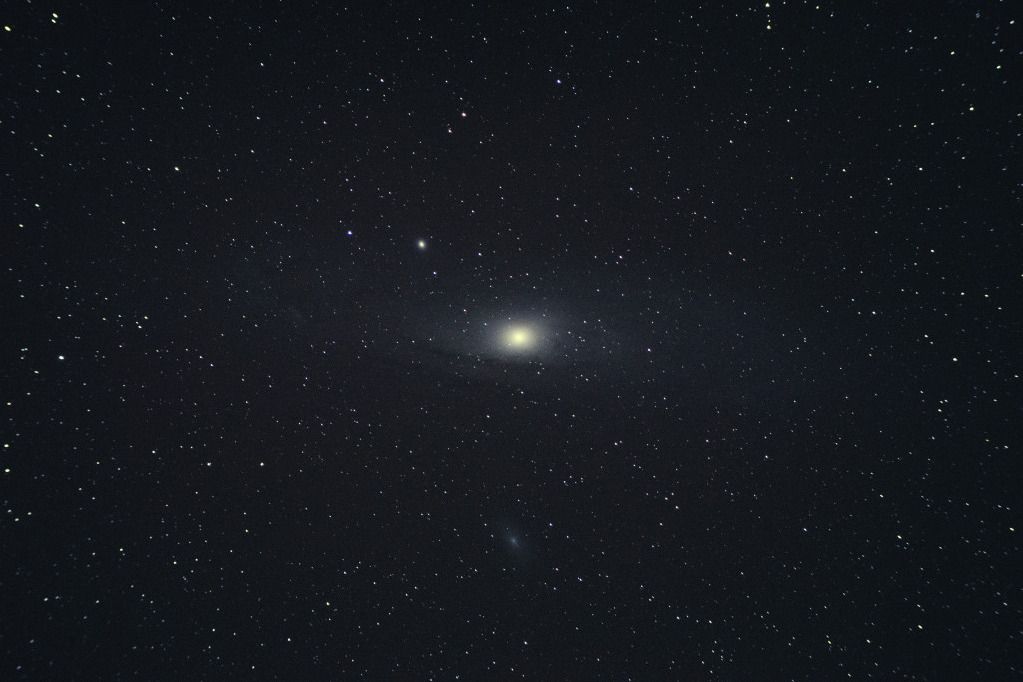
DSO 2 - My First M31 Andromeda Galaxy Image

Last night we finally saw an end to the seemingly perminent grey weather and were blessed some some clear skies. I've been itching to give my Megrez 72 it's first imaging run and chose M31 as my target, as it was positioned very conveniently in the sky. Here are the results


OTA: WO 72mm Megrez w/ Moonlite Focuser
Camera: Nikon D3100 14.2mp
Mount: HEQ5 Pro
Exposures: 1
Exposure: 1min
ISO: 3200

My next goal is a guided image of M31 using an OAG and Orion Starshoot Autoguider.
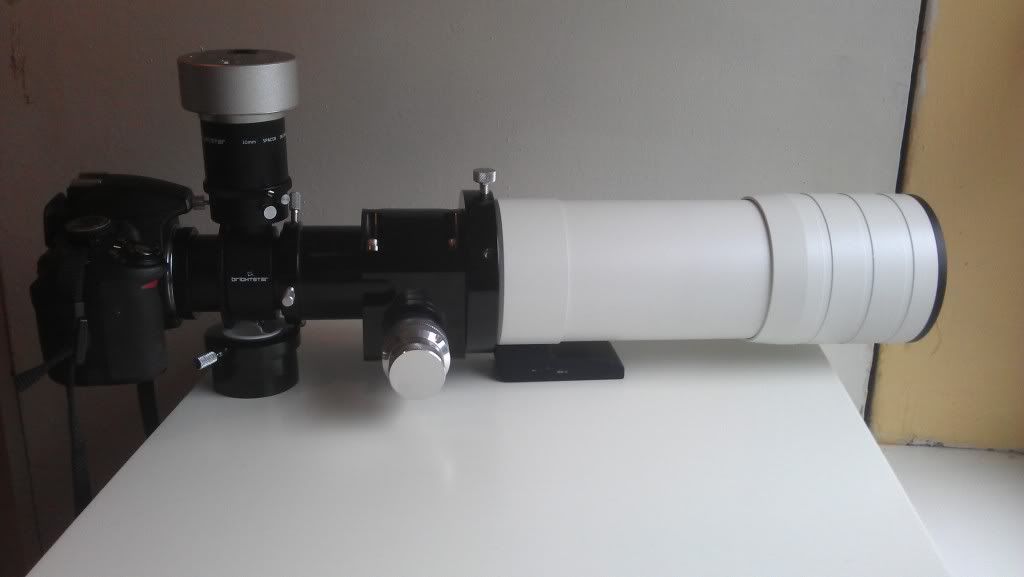

I foresee that acquiring a guide star will prove difficult, as I learned last night while trying to use PHD. However, I'm sure with a little patience and luck I'll succeed.

13 December 2011

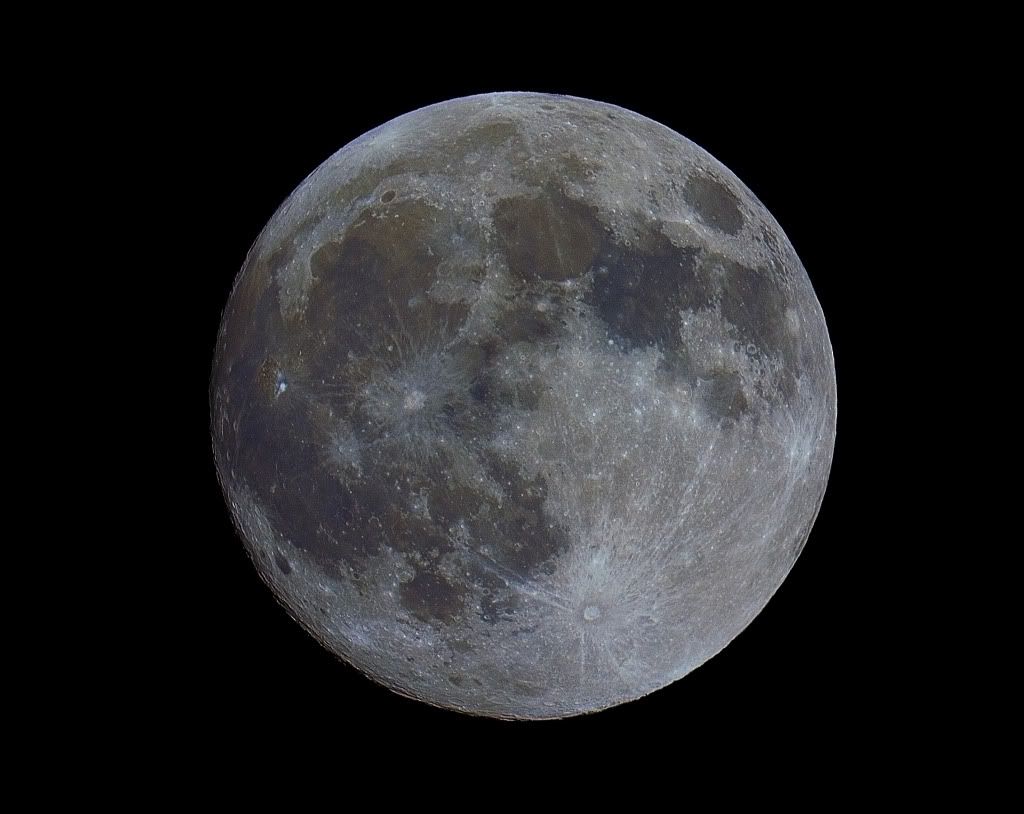
Lunar 3 - Image Stacking

I must say the Moon really is becoming one of my favorite objects to photograph and I think this is my best one yet!


OTA: 120mm Achromatic Refractor
Camera: Nikon D3100 14.2mp
Mount: CG-4 mount
Exposures: 12
Exposure: 1/100sec
ISO: 100

This one however is different from my previous efforts because it's actually twelve separate images stacked together.

This magical process can be done in a delightful freeware image processing program called Registax. "Oh, that sounds interesting" you might say, but no. This is the single most frustrating program I've used since Adobe Illustrator! I'll spare the rant but you do need a liberal amount of patients to learn how to get good results from this program. However, like Illustrator, with countless hours and the help from online tutorials I finally managed to render out this image of our beautiful and full moon.

It just so happened that there was a Lunar eclipse that day, which I unfortunately missed due to weather. I was all ready to make an animation of the event and everything.

24 November 2011

Lunar 2 - The Moon, again

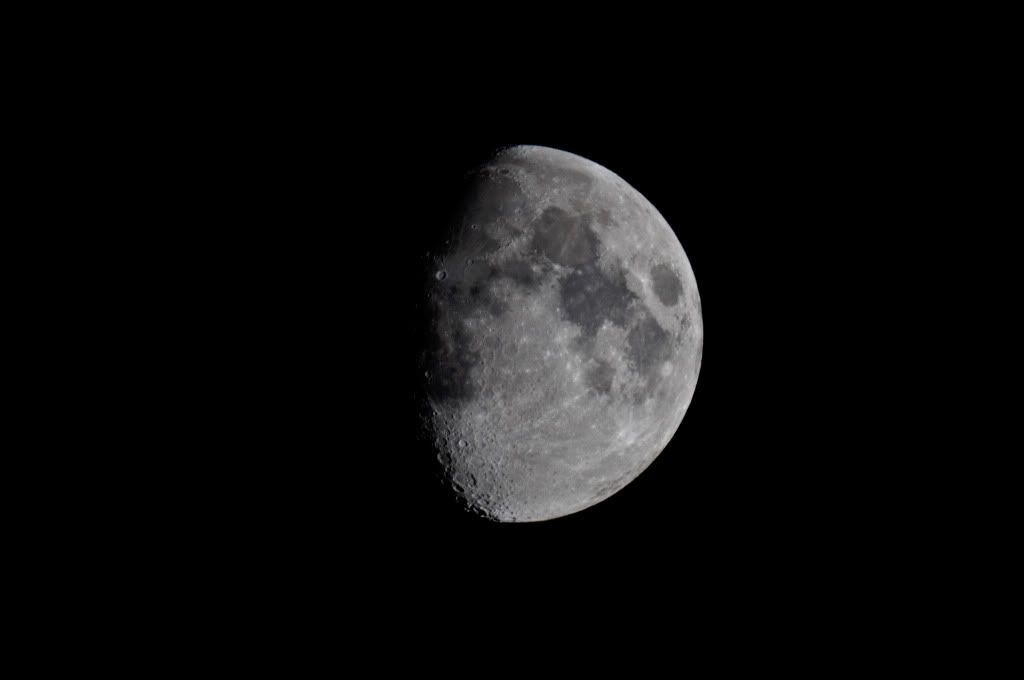
After finally getting my hands on my new DLSR, a Nikon D3100, I was excited to see the difference between the photo I had taken through the eye piece of my telescope with my phone, and one taken with my new camera through prime focus photography. This means attaching the camera directly to the telescope using an adapter.

Here is the result:


OTA: 120mm Achromatic Refractor
Camera: Nikon D3100 14.2mp
Mount: CG-4 mount
Exposure: 1/2sec approx
ISO: 800

It's easy to see that the result is much better. I took this photo while the moon was waxing, which gives much more detail in the craters.

How far we've come

These days it's common place for any amateur astronomer to go out with their telescope and CCD camera or DSLR and image planets and other astronomical objects. Back in the eighteenth century however it wasn't as easy.

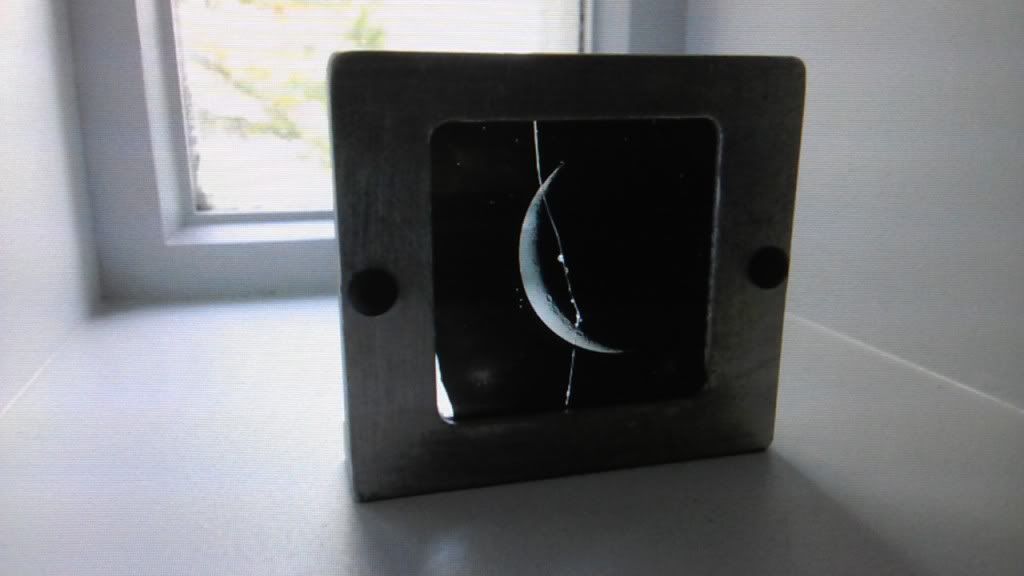
I spotted this silver emulsion photographic plate image of the moon taken through the giant refractor in the last post. What would Howard Grubb have said if he saw us looking at a photo of the moon in a DSLR screen and deleting it because the exposure was a little too short or something. 

It's really amazing how easy it is for us now, to do meaningful astronomy and astrophotography.


UCC Crawford Observatory

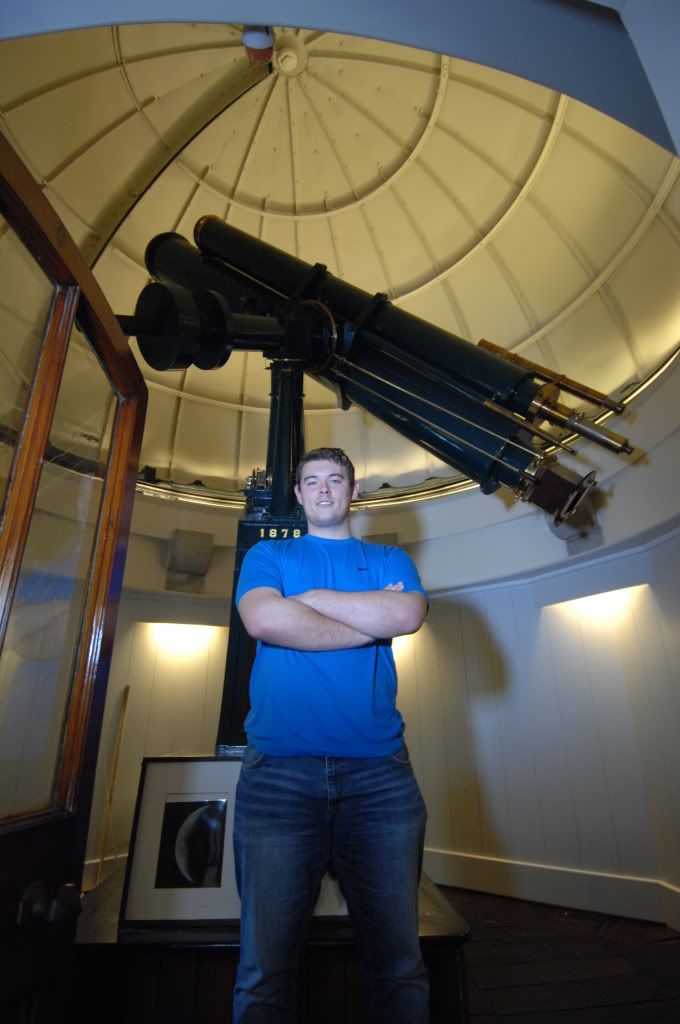
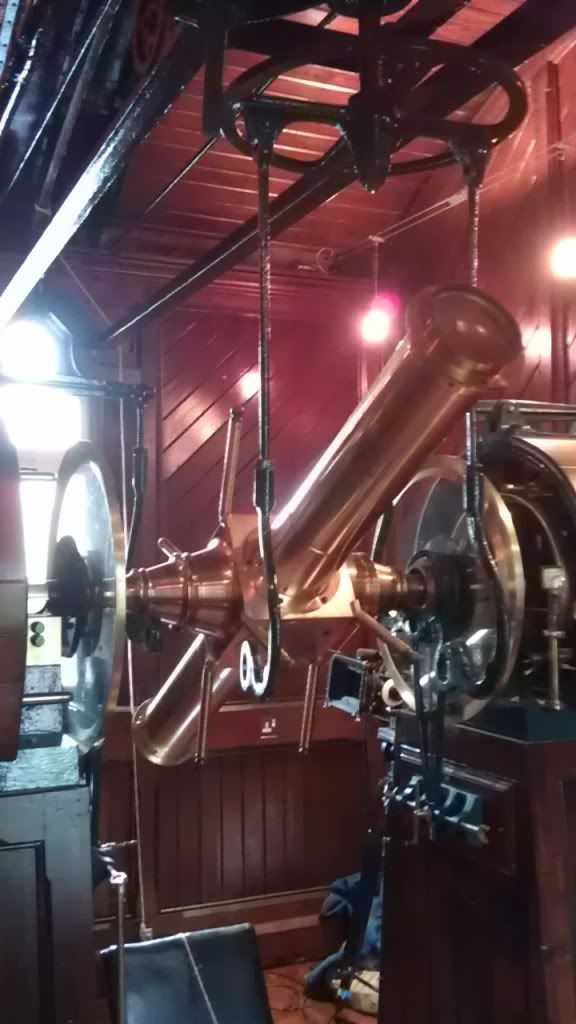
I had the pleasure of visiting the UCC Crawford Observatory in Cork city, Ireland recently. As my dad was filming there on the day I took the chance to visit and view some of the most amazing antique telescopes I've ever seen, dating back to the late eighteen hundreds. Among them was a gigantic equatorial refracting telescope and a spectroscope, all hand made by Irishman Howard Grubb, who was well known for his work with various optical systems.

As it was during the day we weren't able to use any of the telescopes and I'm not even sure if they are still functional but I took advantage of the photo opportunity.